Why Organizational Change Fails: The Hidden Politics and Self-Interest Killing Your Transformation ft. Bud Caddell
Mark Wormgoor sits down with Bud Caddell, founder of NOBL, to explore the human friction that often stalls massive technology initiatives. Bud shares his transition from a software developer to a change management expert, triggered by witnessing "shiny" innovation projects collapse under the weight of organizational politics and conflicting incentives. The conversation dives deep into why many digital transformations are dead on arrival, often due to manufactured urgency and a lack of focus that spreads leadership teams too thin.
The discussion shifts toward practical strategies for overcoming these barriers, with Bud advocating for a "piecemeal" approach to organizational change. Rather than following a rigid, 200-slide consultant deck, he suggests using "safe to fail" experiments to surface hidden politics and resistance early in the process. They also tackle the evolving role of the CTO in the age of AI, discussing how tech leaders are gaining unprecedented power but risking their internal relationships by failing to build empathy with the teams impacted by these rapid shifts.
Finally, Bud addresses the growing issue of organizational cynicism and the "trust gap" between leaders and employees. He argues that the antidote to mass change fatigue isn't better technology, but radical honesty and transparency regarding what an organization can and cannot control. The episode concludes with a look at how leaders can build resilience by moving away from purely visionary "Steve Jobs" personas toward a more grounded, transactional, and honest theory of leadership.
Key Takeaways
• Many projects fail not because of the tech, but because "manufactured urgency" exhausts the organization’s attention span before the change can take root.
• Avoid "rip the band-aid off" transitions; instead, use small, iterative experiments to discover where political resistance and sabotage actually live.
• Apply agile experimentation to cultural rituals and habits, but use traditional stakeholder mapping and steering committees for high-risk reorgs or core system implementations.
• Recognize that most "sabotage" is actually people protecting their teams or resources; breaking through requires negotiating power and resources rather than just fighting for a meritocracy.
• As AI pushes more power toward the CTO, be careful not to burn bridges with other executives; success depends on building a coalition, not just wielding technical influence.
• To reduce change fatigue, stop over-promising; be transparent with employees about layoffs, market pressures, and the specific limitations of your control.
About Bud
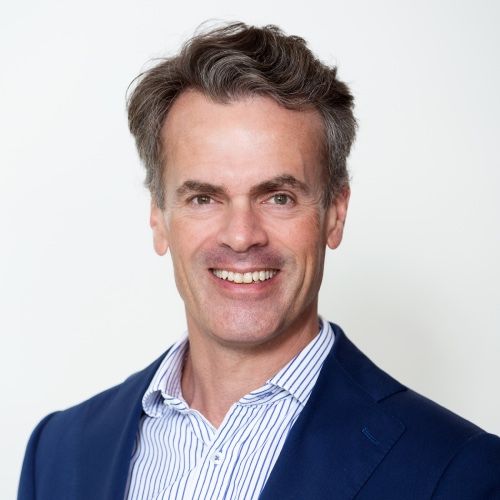
Bud Caddell is the Founder and CEO of NOBL, a global transformation consultancy reshaping how organizations adapt to change. Since 2014, he has led more than 120 engagements across five continents, helping companies in more than 20 industries, including Nike, Ford, CNN, and HBO, navigate disruption, repair dysfunctional cultures, and build resilient teams.
Recognized by The Guardian as one of the “strategists to watch” and named one of Business Insider’s “most creative people under 30,” Bud’s work has been featured in The New York Times, The Wall Street Journal, Forbes, and AdAge. Before launching NOBL, he was a Partner at Undercurrent and served as SVP of Digital Strategy and Innovation at Deutsch LA.
Bud Caddell is a distinguished speaker and guest, having delivered keynote addresses at SXSW, TEDx, and the Reuters Strategic Marketing Conference. His core message emphasizes that organizational failures rarely result from a lack of ideas. Instead, they stem from cultural, political, and psychological barriers that prevent those ideas from succeeding.
He is available to provide expert commentary on leadership and organizational change, including how executives can sustain trust and momentum during crises, why workplace cultures often falter in execution, and how to foster environments where innovation thrives. He also addresses the evolving expectations of employees in the future of work, explains why the majority of brand and business transformations fail, and offers strategies to design change that lasts.
Chapters
00:00 Getting Into Change Management
07:26 What Kills Great Ideas?
14:05 Aligning Individual Self-Interests
17:25 Ad
17:56 The Reality of Reorganization
27:35 Unexpected Transformation
31:02 Looking for Change!
34:50 Ad
35:00 Team Capacity vs Company Demand
40:30 CTOs Have Power!
47:06 Organizational Cynicism
Where to find Bud
• Website: https://nobl.io
• LinkedIn: https://www.linkedin.com/in/budcaddell
Transcript
- Boy, in the beginning of any sea change like we're going through, there are so many people willing to sell you certainty and the smart CEOs or the smart leaders can smell it pretty quickly. I mean, some of them are so desperate, they just go, "Sure, bring it. Tell me the maturity model for this thing that didn't exist six months ago, sure." But a lot of like the best leaders are looking for people with some humility and some openness for experimentation. -.
Mark:Welcome to the CTO Compass Podcast. I'm your host, Mark Wormgoor, tech strategist and executive coach. In every episode, we meet tech leaders from startup CTOs to enterprise CIOs to explore what it means to lead in tech today. They share their stories and their lessons so that you can navigate your own journey in tech. Let's dive into today's episode. Effort leaders at this moment. - To invest in a right technology, you have this big project and you have this cool strategy for implementation and it just doesn't work. It doesn't land within your organization. And it's not because of the project, it's not because solution's wrong, often it's just the organization wasn't ready to adopt it. Today's guest spent over a decade trying to figure out how to do that better, how you can overcome those barriers to change. Cadell is the founder and CEO of NOBL, a global transformation consultancy, and he's helped so many large organizations, and the list includes the likes of Nike, Ford, CNN, and HBO, overcome those barriers towards change. But welcome to the podcast today.
Bud:Thanks for having me, Mark. Appreciate it.
Mark:And let's start with this first question. How did you, I know you're a technologist, By heritage, originally, how did you get into change management?
Bud:Through lots and lots of failures. And so like any consultant, I started off as a terrible software developer. But that was my start. And I ended up in this space. I got very lucky in my early 20s where I could walk into the CEO of Pepsi and say, let me tell you about the Internet like it was Mars. And that was sort of the moment around 2009, 2010 when that was happening. And we like a small group of us could pitch using technology inside these big corporate environments for ideas around like how you communicate with your consumers, how you make new products, like how you can do rapid prototyping, different ways to think about the organization.
And then. One after another, I saw these projects just run into the wall of like organizational politics, incentives, like overburdened teams, just in so many different ways. And realized that While I love software, I love technology. It wasn't going to go anywhere unless I could figure out the people side of the business.
Mark:Yeah. So first of all, I think the first question, how did you end up, because most of us in that are in sales or in services. We spend years and years trying to get into large organizations and most of us fail. How did you end up in those large organizations? What did you do that Maybe some of us haven't done.
Bud:Yeah, it's a good question. I mean, some of it was just pure luck, which I, you know, is hard to give as advice because that surely doesn't scale. A lot of it was looking at a completely new space like the early social web and just deciding like I'm going to learn everything I possibly can about this space as quickly as I can, which we're all having to do now with AI, right? It's There's so many echoes of that right now. And I like we're as an organization throwing ourselves into it as much as possible, even though like 49% of my soul feels..
Some trepidation about it. I push the 51% to say like, I want to learn everything I possibly can about this right now and speak to it from a place of earnestness. I think that's, One of the things in my career I've learned is that like, Boy, in the beginning of any sea change like we're going through, there are so many people willing to sell you certainty. And the smart CEOs or the smart leaders can smell it pretty quickly.
I mean, some of them are so desperate. They just go, sure, bring it, you know, tell me the maturity model for this thing that exists, didn't exist six months ago. Sure. But a lot of like the best leaders are looking for people with some humility and some openness for experimentation.
So that's been my path.
Mark:And you made this change then. So there were so many things that I want to get into and that I'm absolutely going to get into later, but when I go back to that change that you made, you were in technology, right? And there was, you were really good there. What do people say or think when you actually made the change from being technology implementation to Change management. Do people call you crazy or what happens?
Bud:Well, yeah, and everyone felt a lot of pity for me because and what's really funny. So my wife is works in design and technology, and she started her career more on the people side of things. And she often thinks like, why would you choose to do the really annoying like people side of things that was just such a headache. And I was like, well, my, like the ideas were going nowhere.
I mean, what broke me we were doing this project. I was like, I built this little innovation unit inside a big advertising agency because at the time ad agencies were like, what if we make things that aren't just interruptions on the internet?
Like what if we build things? And, we pitched this magic wand to this retail company where like kids could check it out. It was for holidays. They like, they could check out this magic wand using RFID. They could tap, toys and products in the store, it would create a wish list, it would be get sent off to Santa, we built like fake aisles, we built prototypes, we tested it with consumers. And it was like testing off the charts, the CEO gave a big speech about it internally. But we were saying, okay, let's do like a three store test this Christmas or this holiday season. And the CEO was like, can you launch it in 90% of our stores in three months? And the answer for the big company I was working for was like, of course we can. And so we started like looking at buying manufacturing capacity in China to make the wands and all these things.
And then within hours of looking into that, The CMO, the head of stores, the head of operations and the CEO got into this fight about who was going to fund it. Like the head of stores didn't want to give any space in the store for something that didn't have like a clear ROI. Just all of these things fell down and it went It was like the last straw in my career of like.
As we could like the political aspect, but it just fell apart. And I was like, I... I'm done. Walking into an organization with a suitcase full of shiny ideas. Many of which that like in most organizations, the people who are working there have those ideas too, but we're the shiny penny because we're the outsiders. And I was like, I just don't think that's the problem to solve. And it's hard not to. Look at the world around us as well and say like, I think we have a human collaboration problem. As we get here into the 21st century. That probably is worth solving too.
Mark:Yeah, and you talked about that, Matt, or that between those four people. What I like that the hidden force is that Kill all those great ideas. In companies.
Bud:I mean, I think oftentimes it's urgency. I mean, so many times I've been thinking about the tech transformations that we've been doing in the last 18 months, and so many of them were dead on arrival only because you knew that the attention span of the organization wasn't going to last long enough to push through the size and scale of change that they're talking about.
Some, the board was going to ask a different question. Activist investors were going to put margin pressure on the organization to do something. AI is here as well.
Like I think so often, and that urgency metabolizes into roles differently. So for a CMO, it looks like one thing for the CTO, it looks like another for COOs and it just spreads people apart. I think it's that manufactured urgency that we all have in our organization.
So I would say right now is probably the number one problem we run into.
Mark:There's too many different things that are pulling us in all these different directions. Did I say that correctly?
Bud:Yeah, absolutely. And we...
I mean, like there's the paradox of it is like, We can't focus on this one thing. We need to do all these other things. And we and like in six months, we're like, hey, we did all of those badly or we did maybe 30 percent of those and we still did them poorly instead of having that focus. Fighting for focus is a real losing battle in most organizations.
Mark:So can you give an example, right, of where you had this big idea? It needed to be implemented. It was dying or hitting all the barriers. And how did you overcome those?
Bud:So... In the last 18 months or so, it's been a lot of op model transformations, right? Especially within like CTO organizations.
You know, for some reason we've decided that when technology changes, it has to be everything at once. Like, every single train has to show up at the same time. It's like team reorg, you know, infrastructure slicing, funding, all of these different pieces have to show up at the same time. And we were working with a big like food organization, like it's like restaurant and prepared foods. And they were, they literally were like, I think this is our 13th try. At like an op model transition. And we came in and there was the normal McKinsey deck of 200 slides about the perfect op model that you can live in. Exactly how you should slice teams, except they never actually spoke to the engineers to understand that like if they had sliced the teams the way that they would, it would require like four times as many people inside the organization to do the work. And we just said, like, we've got to detach the idea that all these trains seem to show up on time and we've got to separate the transformation out.
Like, there's just no way that you're going to do it. And. That has turned out to be a more winning... Plan for a lot of like op model transitions where it's like okay let's decide what is feasible now.
Like is funding really like funding, you know, obviously it's like the thing of like, are we really serious about doing that? If not, let's park it because it's going to keep causing heartburn to the organization. Meanwhile, there are real like changes at the prioritization level at like, how we're sizing projects, how we're like delegating work across teams. That is probably the most important thing to get right first that we can experiment with pockets. And those experiments can arrive sort of in the same timeframe, but they don't all need to be there for some sort of massive transition.
I mean, we basically say like organizations should either take it as like this separable experimented process, or you're just going to decide, look, we're going to rip the entire bandaid off, but let's just assume it's going to be 24 months of pain. In that transition. And some organizations, right, like have to because of how bad their systems are, how urgent the business problems are, but most organizations should really get there through a more piecemeal approach.
Mark:Makes a lot of sense. And if you take the more piecemeal approach, Is that like the solution? Because there's still there's the internal politics, there's all these people that have different opinions, there's maybe the one department that says, let's go.
And then the other department that says, Maybe not yet. How do you break through the all the other people.
Bud:Barriers. Yeah, so the piecemeal approach Gets you into the discovery phase of actually knowing where all those politics are, right? When you have that perfect op model on like the canvas or like the placemat as like some of our clients love to ask for. You never actually get to see the politics play out. You just like, cause people can hold everything in an arm's length.
Like I always think of our discovery phase is like the first six months of actually implementing change, because I don't believe a word that anyone says to us before that. Just because like, we're all, you know, we're all like trying to protect our team, trying to protect our resources.
Like we don't really know how to judge something until it's rolled out. So like, you know, like, one in a thousand people in an organization are actually trying to play severe politics. Most people are just trying to survive. That exposes like getting into these small experiments starts to expose like, okay, where real resistance is, where actual sabotage might be coming from, which is still pretty rare, but it happens in almost like every big organization.
And then it's about like just really understanding politics, which I will say like, Our organization and our practice has been around for about 12 years. Like for the first six to eight years of that, I still lived in the naive land of like, you know, if we do good work, it like change will happen.
And then we started looking at our success rates and I was like, OK, like I have to throw. Like I still want to live in a meritocracy. I still like would love to start to build more meritocratic. Workplaces and things like that. But I have to like throw that naive lens over my shoulder and say, okay, like most organizations are driven by self-interest. That's not a really dark criticism of human nature. That's just what it's like to be a person and what it's like to work together with lots of people. And we have to be much more attuned to what those interests are and how people are trying to get their interests met.
Mark:So it's not necessarily malice or just people wanting to sabotage. Just self-interest, protecting their teams and protecting their funding and their own organization. What are some of the examples and how do you still then break through? How do you get them to align that change with the self-interest?
Bud:Yeah, I would say, look, we've Probably done something like 150 client engagements over 12 years. I can point to like six true clients.
Like, narcissists I've ever met in organizations, right? If you scroll social media, you're convinced that, like, everyone you run into is a toxic narcissist. It's not true. Most people, like what we're saying, are just trying to protect their teams or they're like, if they're playing the game, the organization has set up for them, right?
Like most people Even when I meet someone who's like a really skilled political player, I'm like, you're just playing the game. The organization has implicitly laid out for you. You know, the ways that we approach that.
So like we first we think about the change that we're doing and whether like the goals that can be accomplished through it are compatible or not with the people we need to work with. Right.
Like there are true moments where goals are incompatible, like it will force a sacrifice. Someone's I had a law professor in college, I think, about a lot who said every time the law changes, someone gets screwed. And I think about that, like there are changes in organizations where like we should talk about like, you're going to lose something here. You might lose headcount, you might lose resources or you might lose decision making power.
And then it becomes more of a negotiation game with them of like, what can I give you in return? Can I give you more political power? Can I bring you to the table? Can I extend power from another team? We think about that power differential as well is really important to think about.
Like, am I trying to negotiate and influence up inside the organization or is it more like a peer? I think oftentimes, when we are working with our peers, we think, I'm just collaborating. That's easy. But actually collaboration is like one of the hardest things that you can do because you can, Get.
So lost in like similarities. Like, you know, we can have just a small difference in opinion about like how something should be done, even though our goals and our outcomes are aligned, but we can get in these big fights. About like, well, no, I want it this way. I want to be able to like size projects this way or, you know, use story points like this, like we get lost in these like tiny differences. And so often, like all I can really say is that we have to expose where those differences are through the work and not from like an academic standpoint, like literally get into the work and like slice down like, OK, let's test these differences of opinions here and decide if this is a decision that needs to be made through evidence, like let's go experiment or if this is a power call, right?
Like someone here in this room has the power to make this choice for others and is willing to burn political capital to do so. And that like trying to get as honest as possible about that, at least like illuminates the roads that we can go down.
Cause I hate being four months into an experiment and then it turns out like, well they were just going to make the call anyway. Right?
Like, they like their pet way of doing things and they just want to make the call. Or someone thinks they have the political capital to make a call and they try and it just spins out, right? Versus trying to bring people to the table and get them into an.
Mark:Experiment. Before we jump back in, here is something that I've learned from over 30 years of working in technology. The hardest part of leadership, it's not the technology and it's not even the people or the teams. It's often that you're added alone by yourself. There's no one in the room that fully gets what you're dealing with. There's no one that you can trust to discuss your decision with. If that sounds familiar, find me on LinkedIn. Mark Wormgoor, and tell me what's in your mind. There's no pitch, just a discussion with somebody who's sat in a chair as well. Let's get back to it. But then if you talk about change implementation, you have talked about the 200-page McKinsey text. I think we all recognize that we're the original change management plan as we just have this big deck and it's a linear plan. We're going to take step A, B, C.
And then it's all going to be done you have a very different approach the other thing that you've said is that the old change management approach just takes a lot of time and we just live in this age and everything just goes so fast and I think AI is a great example of things that go fast how do we do change management or transformational change in organizations Outside Space.
Bud:I think one of the big leaps forward when we started the company that I think a lot of the market has already picked up on is just like if you squint at our process, it just looks like my agile software background. Like there are.
So many changes inside organizations that can be experimented with and iterated upon. I think that we often think that like, especially In technology, we think of like, okay, this is a massive technology to adopt. And our job is just to like, coerce adoption.
So it's just like, I need to do a training and I need to have the right comms in place and people will adopt the tools. But we all know that's like not true. And we all live in the world of shadow IT. And, you know, people might be used, like there might be an AI mandate right now, but people might be using AI in all the ways we don't want. And it's not observable. We're not learning anything from it. I like one of our insights early was basically, there are safe to fail experiments and fail safe things that we do inside organizations. And safe to fail means like, you know, their rituals, their habits, their practices inside the organization that we can literally just design a new test next week, experiment with it, figure out how we want to scale it. Maybe it's not the actual thing that we're scaling. It's a principle behind it or it's a learning behind it. It's the thing we want to scale.
And then there is this domain of work that mostly because of political reasons is fail safe. This could be like a big reorg inside a company or it can be a big systems implementation. I would still oftentimes try to push clients to think about how to test those before it gets into a moment where it's just like a light switch that we have to flip. But the political reality of most organizations is like, Leaders love a reorg, right?
Like they think it's the easiest way to... I mean, we train managers to think in like boxes and like lines on paper of like, okay, you want to make a change the best way. It's like, doesn't really... It doesn't really change so much. There's some things that really can solve.
Like if people really don't understand the structure, maybe you grew so fast as a company that like no one knows who reports to whom. No one, you can't really figure out how the strategy connects to like how we structure the company. Sure, I'm down for a reorg that way. But most of the times it's like an ego thing we're trying to solve or a process problem we're solving in the wrong way. There are different ways to approach those. For a fail-safe change like a big reorder tech implementation, we can use more traditional change management models like stakeholder mapping, It needs to look a little bit more like a steering committee sort of form around like let's get across some group of people to understand like what are the biggest risks of doing this like all the basic stuff but on the. The safe to fail place, it's much more like let's get together a small agile team. Let's give them a clear outcome to chase and then let's give them the space and the resources and the permission to experiment and come back and tell us what they find and then figure out like the hardest part is like we do a lot of experiments inside organizations, but then clients get stuck when it comes to scaling because that becomes like, a political in terms of like, okay, now we're gonna start affecting teams who may have not had their like thumbprint on the early experiment, who have things to lose. And like people misunderstand what scaling means. It's like, It doesn't necessarily mean like we take this exact ritual or this exact practice or this exact way to structure a team and we force it on everyone else. We may take the actual process of experimentation and scale that to say like, you know, the way to structure a team here might, need to embody these principles, but it should change as it travels.
Mark:So if I break it down, you first come in and you have this discovery phase and then this is, let's say that this is a safe to feel change. You have this experimentation phase where you actually try and implement the change at a smaller scale and then I would say the deployment phase, maybe that's the wrong word for it, but then the scale phase. Is that sort of what the methodology looks like?
Bud:Yeah, we call it like Orient Scout Scale Sustain. Okay. And like Orient for us is like, Because we kind of built this practice of every month I get at least like literally three calls of McKinsey just dropped off a 200 slide deck and no one knows what to do with it.
So oftentimes like our discovery phase is. How quickly can we get enough political capital to get experimentation going? Because most of the time we think that our clients actually know the direction they want to move in. They have pet ideas that really just need to be tested. End. We're there to raise our hands if we think the client's about to do themselves harm. But otherwise, like, let's just get into experimentation as quickly as we can.
Like a client came to us years ago, like a big Hollywood studio. And they saw Netflix moving faster than them. Netflix could launch more films per year, could launch marketing campaigns a lot faster than they could. And their idea was like, we want to reorganize the entire studio around genres.
So we want like a horror division and like a kids films division and like Very discreet genres. And we thought, okay, That's interesting, but I have no idea what harm that could do.
Like reorgs can do the most harm. They create like the most change resistance. It upsets people the most. And they're hard to undo.
So I was like, let's take the idea of these like cross-functional teams and let's experiment and figure out like, what do you actually get out of a more cross-functional team? Like, what are the benefits that we can find? And so I was like, give us your worst film. This year?
Like, give us the thing that you know that like you couldn't sell to another studio that like no matter how good the marketing is, it's still not going to be like the biggest hit. And let's go experiment with it. And like the real pain of that was like the organization having to run the way they used to do things with this weird new experiment inside the company. That was like the biggest hurdle because like it required people to go to more meetings and like to have like two different models in their head. They were trying to juggle at the same time. But we learned a ton. About like Yes, there are lots of benefits to it. You could speed up ideas, you could speed up execution. But we learned that like not a single person in the industry wanted to work inside of one specific
Like the whole reason they came to that company was like, I get to work on everything. And it's like the history and the legacy of the studio was the most important thing for them. And so that taught us of like, okay, the reorg was, is like a really bad idea. But this idea of these like cross-functional teams who have less work in progress, can get you those things that.
Mark:You... Or like a matrix organization where people work on... Different cross-functional teams, but still in their original role.
Bud:Yeah, and we all know what those persistent problems are going to be. How do we keep craft up? How do we keep taste up? But those are the right problems to be struggling with versus the like...
I mean, when we walked in The one interesting anecdote on that was like the number one presenting problem that client had is they have They were like, our meetings are killing us. Like we have this insane burnout because people are sitting in six hour meetings. I'm not exaggerating. And it was like 65 people. And six hour meetings. And We were like, okay, let's go tackle that.
Like that's like as a software developer in my background, I was like, that is painful. There's like maker manager time, all these different things. That was the most resistant problem. And for like 18 months, And the real realization, the big thing that we learned about that was, This industry, and this is the weird thing about working across a bunch of different industries, like the entertainment industry functions on relationships.
Like people literally do want to be in the room with one another for that period of time. They complain about it pretty, they complain about it a lot. But when you ask them, like when you start to experiment with ways to like slim the room down or to give them time back, like everyone hates it. And there was like a job being done in that room that we didn't understand as outsiders to the industry.
So we had to like really learn that industry of like, okay, this is where relationship building is happening and relationship building that lasts your entire career. So like you might go to another studio, but now you've built these like really deep, meaningful relationships with other people. And that's how the entire industry functions. Even the Netflix's of it, right?
Like Netflix made a bunch of early mistakes because they didn't realize like how much of a relationship business this was. That was really fascinating of like we had so many successful experiments, but we kept hitting our head on what we thought was like the easiest problem to solve.
Mark:It sounds horrible, six hour meetings, but I fully understand. And if that's the reason behind, I don't understand the entertainment industry either.
Bud:It's just a lot of other stuff had happened like there had been the like the Sony leak years before. So everyone was like really frightened about writing anything down or like sending emails out with like real info in it and being called out in the press for like, we said this script was bad. And things like that. There was a lot of other things happening at the same time too.
Mark:Nice. So what's the most surprising transformation you've had in all those years where the outcome even surprised you?
Bud:That's a really good question. I want to answer this like, I, you know, I have a lot of great stories. I have a lot of stories of failure. I think the... The one that surprises me the most, and it was like so instrumental in teaching us, like that moment where I was talking about where we had to realize like politics. We're working with this fashion brand in New York. And we did like nine or 10 months of such meaningful work to try to like reset this organization, building like a new content studio inside to help them work in a more agile way, but building this like slower strategy muscle inside the company as well that could like really think deeply about consumer needs, They won all of these awards. They got all this recognition, but I never spent enough time with their CEO. And their CEO like came from a more traditional consulting background. And I put my foot in my mouth with, I'm very good at that. I put my foot in my mouth with him and like one of our first sessions. Lamenting like big consulting or something and so like I had lost points with him from day one and No matter what we did, it always just looked like it was this change that was happening over in a corner. Even though it had like true business impacts and One day he got on a yacht and met, someone who was really famous in the fashion industry and decided to like hire this person and upend everything we had done. And just like shook the Etch-a-Sketch completely. And it was a nightmare and a disaster for the organization. And this was like someone who's like a luminary in the field, but really like an auteur person who had no idea how to like run an operations for a company of that size. And it's become a documentary out there.
Like, about how badly this went. And I, we got invited back into the organization after this person left out. It took like two years. And this person just like was a no show. Didn't even like come to the office.
Like it was just in Milan. Like no one could find him.
Like there was just so much chaos. And we came back in and the like level of like change resistance was so high and people were just so upset by what had happened because they had been in the middle of really turning things around. And the CEO paid no cost for it. I like this. This is like just one of the things that, again, like I would love to live in a meritocratic place and.
Look, I wasn't in the room when the CEO hired it. So it's easy to judge of like why the choice was made. And clearly they felt like something needed to be done. But that was the most surprising of you fight so hard for these objective decisions. Wins inside companies. But if you like surrender the political ground. And you don't have the messy, uncomfortable conversations.
Like I could have fought harder to be in that room with the CEO. And I shirked my responsibility there. And it still lives with me like it's still like when did that like it's like a toothache that's just there for life I think but No.
Mark:Yeah these are the situations where I learn the most probably they are painful. In the model that you talked about, and this is another question I had, at the end there's a sustained phase. And in the sustained phase, you talk about the difference between organizations that continue to resist change and the ones that actually have resilience that can continue to change and adapt. How do you build that second type of organization?
So.
Bud:Immediately when we work with organizations, we ask the question of like, how do you want us to leave? Because I want to know what our off ramp looks like. We're a small firm and I just, I fundamentally believe that like the organizations themselves should have the capacity to make the change.
Like if anything, like maybe where the irritant inside. You know, creating the, to have a poetic metaphor there for a moment. So we do this in a few different ways.
Like one, all through our early phases, like what I'm trying to do is build like an informal community of practice around change. So. I'm always asking in the beginning, like, Who are those people who for whatever reason, just seem more open to new experiences, open to change, like make those lists. I talked to leaders, like who are the three to four people on every single team? I want to meet them. I want to get them like into the work. And it looks a lot like a teaching hospital and the way that we do the work.
So I'm like, It's like a three-legged race of I want to show you the thought process about why we design our process the way it is. I want to involve you in the work at all times. And so I have a group of people running around sort of like spreading the good word about how to embrace this change, how to break down change into these experiments and things like that.
And then over time we need to work with the client to figure out like, does that formalize into something like a center of excellence or a more formal community of practice or not? And is the center of expertise or excellence, is that more based on change itself, which some oftentimes it is right.
Like what, or we'll work with the existing organizational development team or HR team to sort of like level up their like their toolkit. Most of them have like a pro-sci process, but again, like only until like the last like year pro-sci has like, only focused on the more like fixed long-term change efforts i mean they might disagree with that but oftentimes when i see that it is the more traditional like okay what's your stakeholder map what's the comms what's the training and then good luck to you and like here's a sense of how people resist but not how to deal with it and like live settings and adapt the work itself And so we'll work on that. But sometimes it's like a center of expertise about some version of the change, some element of it, whether it's like, you know, in one of the CTO organizations we worked with, it really was the like prioritization because that was the thing, like as work was coming down, they, Again, McKinsey sold them on this like dream idea that like all work would flow up from the bottom that like, you know, if we get, if we only reach level five maturity, frontline staff and the teams closest to the work will always be the ones who generate new ideas. And those will go through this like perfect scaled scrum model of like how to break down the work. Never going to happen in a public company. I'm sorry.
Like ideas are going to come from the top as well. And like the best thing that we can do is teach them or set up a model that like air traffic controls both directions, right?
Like CEOs are going to go into stores and have ideas or they're going to see competitors and they're going to wonder why don't we have this and they're going to push feature ideas down. And teams are gonna have a good understanding of what needs to be done and there needs to be some mediating function between that. And so we built a center of expertise around that. And like, what should, like, what's a version of big room planning and things like that like recognizes both altitudes.
Mark:A quick one before we continue. If you're getting something out of this conversation, please hit the subscribe button below. That way, other tech leaders can find us as well. I would really appreciate it. Let's get back to it. Where I really wanted to get to with all of this, and I think it's an article that you published last year, it's about, I mean, we're in the age of AI, of course, and so many organizations just need to transform. It's just that nobody really knows how to do it, how to change, how to implement that change, how to keep up with the pace of change. You wrote an article, I think, or your organization, I think, NOBL published an article. I'm sure that you contributed. The Self-Driving Org, the Six Levels of AI Transformation. Talk me through that first and then how do organizations go and actually work with that?
Bud:Yeah, I... This came and I like we we're still beating it up. Of that model itself. But essentially like what we were, what I was seeing in, the organizations we work with is, Boards asking the C-suite, like, what are we doing about AI?
Like that generic of a question. CEOs then saying like turning to the CTO in the room and saying, what are you doing about AI?
And then I'm watching their average employee not have time for a bathroom break in their day. Like there's this huge disconnect between what's being asked for and like the capacity of teams on the ground. And our biggest fear was like, this is another digital revolution done poorly again. Living through like the digital transformation that happened in a lot of organizations, right?
Like we looked at a horizontal force, meaning like it's a disruption that's going to disrupt every single part of the organization. And what did we decide? We're like, one person should have that role. Let's create a chief digital officer. And give them like almost no authority to make change inside the organization, but they're going to be the person that the board can point at, right? And so we were trying to offer this model of like, how do you go from the world we live in today where like, Whether it's sanctioned or not every like so many different people in the organization are experimenting with these tools and then how do we start to move forward in the world?
So we were trying to give a picture of like, okay, let's assume that what we're trying to do is ultimately find a balance between like machine and human judgment inside a company and then deciding along the way what work is best done for humans or should stay human work because we want to keep that as a core capability or competency like we don't want it to atrophy like the de-skilling is real at least the early research looks like people will get dumber if you take specific work away from them. Like there is the research around like surgeons and x-ray techs where it's like if you fully give them a tool and then you take the tool away, they'll actually perform much worse.
And then there's the like, what can machines do for us? And that's going to change every single day.
So we were trying to give them a picture of like, Okay, step one is just work. Like after you're doing the experimentation, it's just like, let's focus on workflows. Let's go find core workflows inside the organization that are sort of like the main rivers. And so don't just focus on these like, off tributaries that are like special can only exist within a single team. They're the easiest things to get. Let's focus on like the go to market process that we know is already a pain and look not just for where can AI support us? But like, come on, let's just redesign this thing as we would if we were to start again. And it doesn't have all the headaches in it that it did the first time.
Like, I think that AI is this wonderful Trojan horse where we can actually fix our organizations to work for people again. Like we've been like, Since we started NOBL, we've been talking about like work isn't working like 50, like literally half of employees don't know what their job is if you pull them in big organizations they like don't know how to move the work forward they don't know what they're being measured on like let's just again like and we start with big workflows and then from there let's move to decision making right like Once we can, because oftentimes again, workflows, We don't actually know how decisions are getting made. The story, like recently we were sitting down with a marketing team, a tech team and a supply chain team trying to decide What should the algorithm inside a consumer app like prioritize in terms of featured products? What is the algorithm to like say, this is a product you should buy? And it was an argument about do we have enough product to sell? Is it going to create shortages? Is it the most like margin rich product to sell? The tech team is like, you know, how thinly can I slice the consumer segmentation?
So I'm like, getting you the most personalized product possible and the marketing team is like well where's our brand and all of this and is it the like number one lighthouse for what we're trying like the story we're trying to tell and we got into a room and everyone was just arguing with each other around capabilities and like what the algorithm could do or not, what the tech platform could do. And we had to go back and say, like, how does this normally win inside the organization?
Like, and really make the realization of like, we are a marketing led company. Like, I don't know if that is the right thing, but we have historically been a marketing-led organization.
Like the marketing team tends to win this. What does that look like here? But it was, like a swirling conversation for multiple sessions until we were just like, let's, trying to name the water that we're swimming in and how we've made these decisions before.
So it's just trying to create some steps. That organizations can follow.
Mark:And I love what you just said, because that's the one that really resonates. Creating this role, the CDO role or CIO role or whatever we call him or her, that's basically responsible for all the technology, but has like zero authority to implement any changes in the organization. And you have technology backgrounds. How would you see that digital transformation ownership role in the future, especially in the light of AI.
Bud:Yeah, it's going to be messy. It's going to be difficult. And it's going to look like every single executive having a portion of their portfolio and their goals assigned to AI and probably every single having like its own little mini, it's going to come back to some idea of a center of expertise with spokes out inside the organization, some version of this. And again, there's no perfect way to do it. They all have trade-offs. It'll be painful and messy. But again, like just giving one single person. What I'm noticing is basically like The authority drift that's happening in most companies right now is because this always lives as a technology investment. CTOs are actually like garnering so much power and things just are implicitly moving to the CTO without big conversations. And they're going to be able to exert more power and influence over the organizations, which would they, you know. Listeners of your podcast might be like, finally, I have this power. But what I'm noticing is they're burning their bridges with the rest of the executive team. I have seen so... I've been in so many rooms lately where a CTO... Now is like the center of prioritization about capabilities is the center of prioritization about like who gets the attention inside the company. And I have seen too many of those CTOs like lack empathy or and at least understand the political game they're playing, because right now they have a lot of power with the CEO because they can like fulfill these dreams of these perfect AI enabled organizations until they won't like in six months. None of these promises are going to live up because it's human beings that we're trying to change, not just tech. And I think they're burning a lot. I've seen a lot of CTOs just recently burn a lot of bridges with other people inside the org because they're like, a group will come to them and say like, We're dying, like AI is great, but we're dying through like manual systems right now.
Like it's eating up so much of our month, the like manual data entry or getting systems to talk to each other. We need... Resources here to like, you know, not just bandaid this, but to really fix this. And the CTO is like, boy, you haven't even seen bad systems.
Like, let me tell you, when I've worked at places and I just, I'm like, that might be true, but you're burning that bridge with someone that you're going to need. A coalition four and six months or nine months.
Mark:But it feels like now, indeed, what you're saying, the CTOs that center attention, they have suddenly all these additional responsibilities. It feels like they have the whole organization on their shoulders to change. What should they be doing?
Bud:One is they need to be thinking about building a new kind of cross-functional unit across the company to really get observations into like what's working and what's not when it comes to technology and not just AI, but just like, you know, now starting to think about like the tech stack across the entire organization. And I just, I see their teams being too aloof right now in terms of like the actual pains that people are feeling like there's human-centered design is going to have to enter that space internally like even almost better than the human centered design muscles for the external customers.
Like I just haven't seen that live up to like the promise that I've seen on stages. But I'm just seeing a lot of like CTO representatives running around companies making spreadsheets of like, roadmaps. And I just don't think they're spending enough time with the teams that they're impacting to understand what their pains are and like what's really important to them. And they're only thinking in like technological platforms or infrastructure. And one company we're working with, like they're trying to before I showed up, they're trying to like offshore a lot of work. Right. That was the ai transformation before ai and in some ways it still is And what we were trying to get them to do is like still use that as a lever with AI in terms of like, okay, wherever these pain points are, where like systems aren't talking to each other, or there's huge amounts of manual entry, like what problems can you solve immediately for those people? As we wait for AI systems to either get better or get more specialized so that like, say the marketing team that does, That needs an AI tool that can take like sketched products into fabric design where like we're right at the bleeding edge of that. I bet you in six to nine months, someone will have that.
Someone will have their version of that tool. But right now it's really painful. And what can you solve for them?
Mark:Okay, so just... More business orientation, business focus across the organization and actually showing...
Bud:Yeah, and it's going to require more headcount. I mean, like for the CTO.
I mean... We should be honest about like power is shifting inside companies. It's going to require more people for them to be able to go and do the like do the activities I'm describing. I know they're already spread thin, especially with their internal.
Mark:Resources. I think that's a massive change from. My perspective, tech organizations seen as just a cost center. I think the offshore you just talked about is just a means to cut costs, bring down costs. Tech organizations being seen as an html function and that's it so it can be cheap Is that now changing? Do you see that changing?
Bud:I do. And a lot of the companies we work with, like tech is already moving along that spectrum. Whether it's like I think it must be such a difficult role because, you know, like a couple of CTOs we're working with, They're not managing like the implement, like the entire stack of the infrastructure, but they might be running like a dot com and they're responsible for the P&L of that. And I already think that's like that's double duty. That's breaking their brain and their souls.
Like, yeah, I can just see it happening to them. And it's really hard for them to get into a prioritization exercise where it's like, well, I know my financial incentives are about like how much incremental business I'm driving in the company right now. And I'm supposed to be making these like massive investments in infrastructure, which only increase our costs.
Like I have now sat with so many more CTOs who speak like CFOs. Who are thinking about like the overall margin in the company and like where that's going. And so I think, That's already such a challenge for them.
Mark:Wow. It's going to make life even more difficult for most of the CTOs. And if you then break this all down, right?
So we're in... There's this age where transformation is almost a constant, change is almost a constant, and it feels like it's going faster and faster. If you had one piece of advice to any organization leader, C-suite, or maybe the level below, What's like the one piece you would give them? I.
Bud:Think that leaders should think about what's within the organization's zone of control so that they can have conversations I think like, I bring this up because There's how we respond to the external environment and how we adopt these new technologies. But there is still not to be a change, not to be too much of a change guy, but there is like how we talk to our employees. And I would say right now, like I've been doing a ton of research into organizational cynicism because I'm just, Normally, when we start with a client, every time I meet people inside an organization, like one person will shake my hand at the end of a session or like say bye on a Zoom and say, yeah, and by the way, good luck. This place will never change. And now I'm hearing that constantly. From people who have lost the belief that organizations can change and can adapt in positive ways. And what cynicism is like, it's not just like a disbelief in change, but it's a mistrust in leaders. It like the AI narrative of like you versus machine isn't helping. That that's the dominant narrative right now. And I think for most leaders, like, I would say like stop lying to employees about what layoffs are and what they're caused by because everyone can see through.
Like what's being done right now and it's destroying trust inside organizations and then Be honest about like what you as the organization can and cannot control in the market. Like, I'm just hoping like we lived in this era for a long time, like the Steve Jobs version of leadership, where it's like purely visionary, purely aspirational. And boy, we have we lived through a lot of people pretending to be Steve Jobs who are not Steve Jobs. I really hope we can pivot into a more honest, and even if it's a little bit more transactional. Theory of employment and leadership I'm happy with because I think That's what employees want to hear right now when they're trying to metabolize so much change. They want to know like what is expected of me and my role.
Like, what can I read? Like, I think about like, you know, when you're learning to swim, like you need to know that you can hold your hand on like the side of the pool. When things get tough, right? And like, what is that inside the organization?
Like, what are the things that will remain true? What are the things that leaders hope to be able to control?
And then what can't they control? And I just... I wish leaders were a little bit more honest with their staff because what it looks like when we come in is when they're not those things, it looks like mass fatigue, mass change resistance.
So if you talk about all the things you talked about in terms of like pace of change, like amount of change, like those, all those things become impossible.
Mark:So breaking it down just to. Honesty, transparency, and just giving a clear perspective of what's actually going to happen.
Bud:Yeah, you've got it.
Mark:But thank you very much for coming on today. Where can people go and find you and NOBL?
Bud:You can find everything about NOBL and myself at nobl.io.
Mark:We're going to put that in the links so people can absolutely find you. Thank you very much for coming on today.
Bud:Thank you so much, Mark. This was fun. As.
Mark:We wrap up another episode of the CTO Compass, thank you for taking the time to invest in you. The speed at which tech and AI develop is increasing, demanding a new era of leaders in tech. Leaders that can juggle team and culture, code and infra, cyber and compliance. All whilst working closely with board members and stakeholders. We're here to help you learn from others, set your own goals and navigate your own journey. And until next time. Keep learning, keep pushing and never stop growing.